
D6 vs D2 Steel: Which Cold Work Tool Steel Fits Your Die Application?
D6 vs D2 steel should be chosen by failure mode, not hardness alone. If a die mainly wears from abrasion, D6 may help. If the tool also sees chipping, impact,…
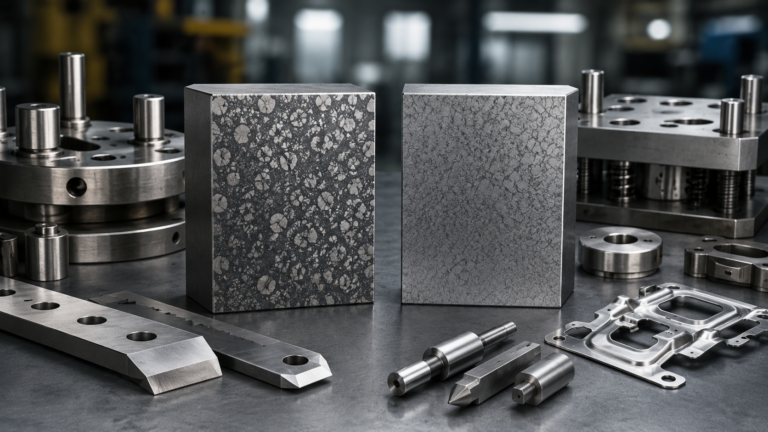
D6 vs D2 steel should be chosen by failure mode, not hardness alone. If a die mainly wears from abrasion, D6 may help. If the tool also sees chipping, impact,…
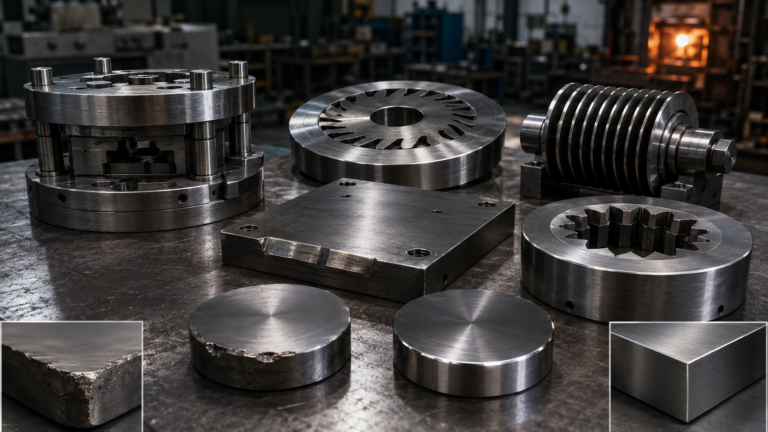
D2 vs D3 tool steel matters when a die, cutter, mold, or wear plate fails by slow abrasive damage instead of one sudden overload. The real cost is not just…
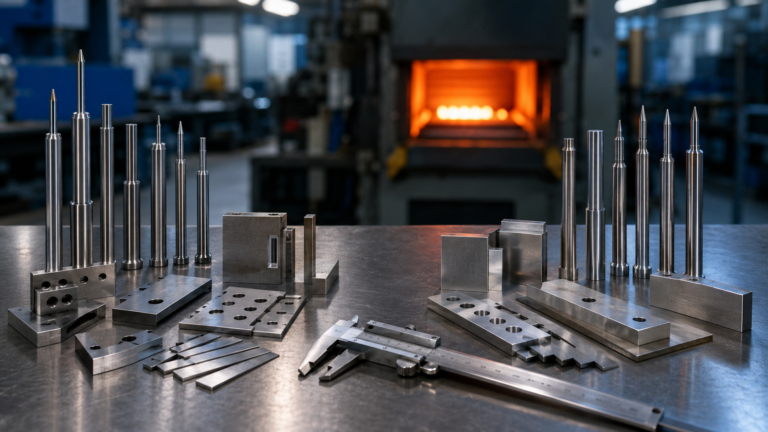
When producing small, high-precision tools, understanding O1 vs A2 tool steel is crucial. Manufacturers often face unexpected size changes after heat treatment, leading to costly rework or scrap. The challenge…
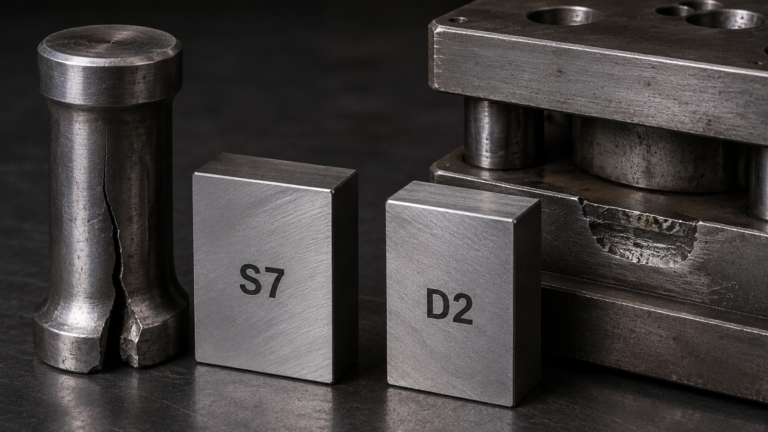
S7 vs D2 is not a simple hardness contest. For stamping dies, punches, wear tools, and heavy-impact tooling, the better steel depends on how the tool fails. If the tool…
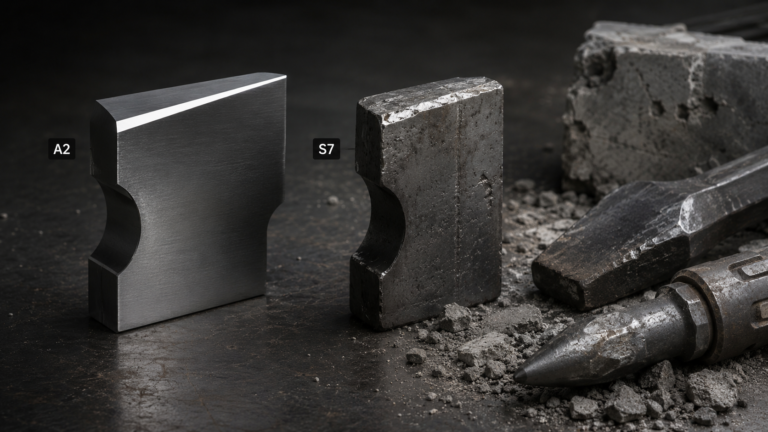
A2 vs S7 steel is not just a hardness comparison. For concrete breakers, stamps, chisels, and thick plate punching tools, the real question is whether the steel can survive repeated…
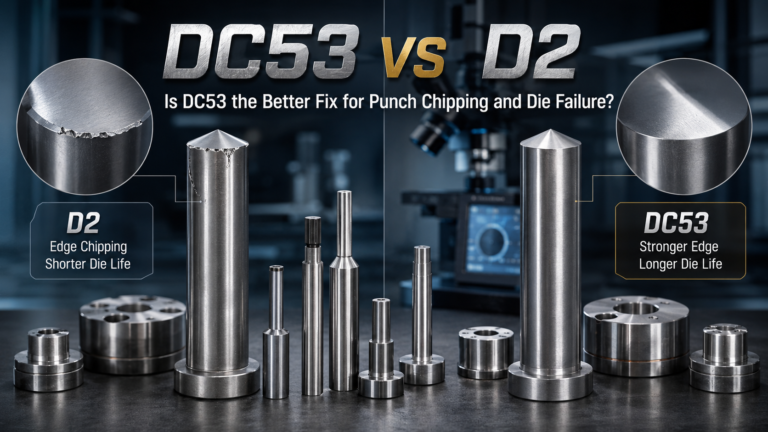
If you are comparing DC53 vs D2, the real question is not only which steel is harder. The better question is this: why does a D2 punch chip, crack, or…
30+years steel industry experience, providing professional service with qualified steel products.

Qilu Steel is a leading supplier of high-quality tool steel with extensive experience in the industry. Our investment in a specialized factory further demonstrates our commitment to being at the forefront of the tool steel industry. We offer a wide range of tool steel grades, including P20, H13, D2, and S7, each with unique properties suited for different applications.
Quick Links
Website Group
Explore
Copyright © 2024 Qilu steel