
When selecting tool steels for various industrial applications, A2 vs D2 steel often comes up in discussions. Both steels are highly regarded in the manufacturing industry due to their excellent properties and performance under different conditions. However, despite their similarities, each steel has distinct characteristics that make it suitable for specific uses. In this article, we will compare A2 and D2 steel across various factors such as hardness, toughness, wear resistance, and machining properties to help you choose the right material for your project.
Composition and Hardness of A2 vs D2 Steel
A2 Steel Composition
A2 steel is an air-hardening, cold work tool steel with a good balance of toughness, wear resistance, and ease of machining. It typically contains 1.0% carbon, 5.0% chromium, and small amounts of molybdenum and vanadium, contributing to its strength and durability. This composition allows A2 steel to provide excellent toughness, making it suitable for applications requiring good impact resistance.
D2 Steel Composition
D2 steel, on the other hand, is a high-carbon, high-chromium steel that offers greater hardness and wear resistance compared to A2 steel. It typically contains around 1.5% carbon and 12.0% chromium, along with small amounts of molybdenum and vanadium. The high chromium content contributes to its wear resistance, making D2 steel particularly effective in high-abrasion applications, such as cutting tools.
Hardness Comparison
When it comes to hardness, A2 vs D2 steel presents a clear difference. A2 steel generally has a hardness range of 57-62 HRC (Rockwell hardness), while D2 steel can achieve a hardness range of 58-64 HRC. While both steels offer excellent hardness for their respective uses, D2 steel typically has the edge when it comes to maintaining hardness under heavy wear conditions. However, A2’s slightly lower hardness provides better toughness, making it less prone to cracking under impact.
Toughness and Wear Resistance: A2 vs D2 Steel
Toughness of A2 Steel
A2 vs D2 steel shows a significant difference in toughness. A2 steel, due to its balanced composition and lower carbon content, has better toughness than D2 steel. This means A2 is less likely to crack under impact or shock loading, making it ideal for tools that undergo frequent impact, such as punches, dies, and shear blades. The toughness of A2 steel makes it more forgiving in situations where high impact forces may be applied.
Wear Resistance of D2 Steel
D2 steel excels in wear resistance due to its higher carbon and chromium content. The high hardness of D2 steel allows it to withstand abrasive wear and tear for extended periods. D2 is particularly suitable for applications where high wear resistance is crucial, such as in die-casting tools, stamping dies, and high-volume machining operations. While A2 offers good wear resistance, D2’s superior hardness and higher chromium content give it the upper hand in more demanding applications.
Machining Properties: A2 vs D2 Steel
Machining A2 Steel
In terms of machinability, A2 vs D2 steel offers differing experiences. A2 steel is generally easier to machine than D2 steel. This is due to its lower carbon content, which makes it less prone to work hardening during the machining process. A2 is commonly used for applications that require complex shapes or intricate designs, as it can be machined with relatively standard equipment and tools.
Machining D2 Steel
D2 steel, with its higher carbon content and hardness, can be more challenging to machine. It requires more specialized tools and equipment to avoid excessive tool wear and achieve precision. D2 steel often requires slower feed rates and greater cutting forces compared to A2 steel. However, the extra effort put into machining D2 steel is worth it for applications where wear resistance and edge retention are the primary considerations.
Applications: Where to Use A2 vs D2 Steel
A2 Steel Applications
A2 steel is often used in applications where both toughness and wear resistance are required, but extreme hardness is not the primary factor. Some common applications of A2 steel include:
- Punches and dies for forming and shaping operations
- Shear blades and cutting tools
- Press tools and mold inserts
- Small to medium-sized dies in the manufacturing process
A2 steel’s ability to withstand moderate wear and impact makes it suitable for many general-purpose tools and dies.
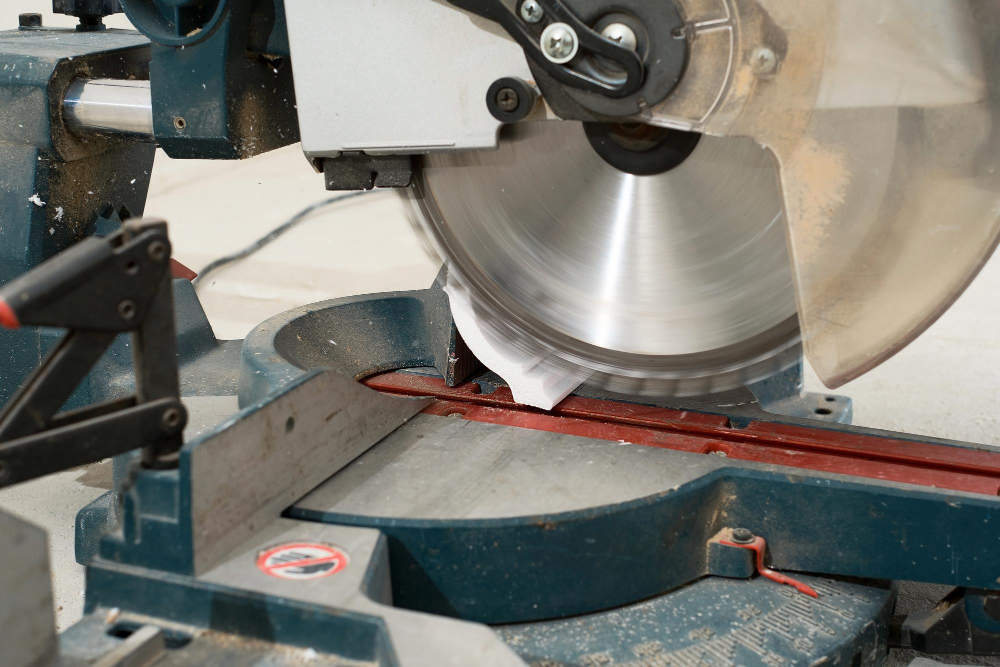
D2 Steel Applications
D2 steel, with its superior hardness and wear resistance, is more suited for heavy-duty applications. It is often used in:
- High-volume stamping dies
- Die-casting molds
- Knives and cutting tools
- Slitter blades and shear blades for heavy-duty tasks
D2’s wear resistance makes it ideal for applications involving high friction and abrasive materials. Its hardness helps maintain cutting edges and tool profiles over long periods of use, making it perfect for industrial and manufacturing processes requiring precision and durability.
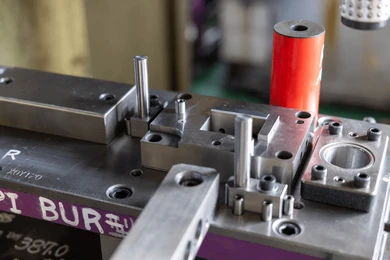
Which Steel Should You Choose: A2 vs D2 Steel?
When deciding between A2 vs D2 steel, it is important to consider the specific requirements of your application.
- If you are looking for a steel that provides a balance of toughness, machinability, and wear resistance, A2 steel is a solid choice. It is ideal for applications that require moderate hardness and toughness, such as punches, dies, and shear blades.
- If your application demands high wear resistance and hardness under abrasive conditions, D2 steel is likely the better option. It is suitable for heavy-duty applications like die-casting molds, knives, and high-performance cutting tools.
Ultimately, the right choice of steel depends on the specific demands of your project. Both A2 and D2 steel offer excellent performance, but each has its unique advantages that make it more suitable for certain applications.
Conclusion
In conclusion, A2 vs D2 steel both have their merits, and the choice between them depends on the specific needs of your application. A2 steel offers excellent toughness and machinability, making it ideal for general-purpose tools and dies. D2 steel, on the other hand, excels in wear resistance and hardness, making it the best choice for heavy-duty cutting and forming applications. By understanding the characteristics of both materials and matching them to the demands of your project, you can ensure that you select the right steel for the job.