
In the world of modern manufacturing, cutting tools are crucial for shaping, machining, and finishing materials into the required designs and specifications. These tools are the backbone of many industries, from automotive to aerospace, ensuring that components are produced with precision and efficiency. One material that has revolutionized the performance of cutting tools is High-Speed Tool Steel (HSS). Known for its exceptional hardness, heat resistance, and durability, HSS plays a vital role in extending the life and performance of cutting tools, making it a preferred material in the industry.
What is High-Speed Tool Steel (HSS)?
High-Speed Tool Steel is a type of tool steel specifically designed for cutting applications. It is made by alloying steel with elements like tungsten, molybdenum, and cobalt. These elements significantly increase the steel’s hardness and heat resistance, making it suitable for high-speed machining operations where other materials might fail. HSS is designed to withstand the high temperatures generated during cutting processes, which helps maintain sharpness and reduces wear.
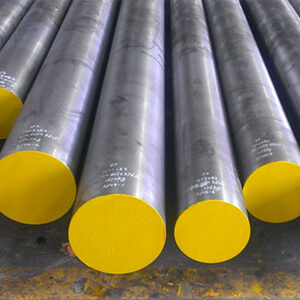
How High-Speed Tool Steel Enhances Cutting Tools Performance
1.Heat Resistance and Durability
One of the most important attributes of High-Speed Tool Steel is its ability to retain hardness at high temperatures. During high-speed machining, cutting tools generate significant heat, which can cause traditional materials to lose their hardness and wear out more quickly. However, HSS tools can continue to perform effectively even at temperatures exceeding 600°C, ensuring that cutting edges remain sharp for longer periods. This heat resistance contributes to enhanced durability and reduces the frequency of tool replacements.
2.Superior Hardness for Precision
The high hardness of High-Speed Tool Steel ensures that cutting tools made from it can handle hard materials with ease. Whether it’s steel, aluminum, or other tough materials, HSS tools can maintain their edge while performing intricate cuts. This precision is crucial in applications where accuracy is key, such as in the aerospace or automotive industries. HSS cutting tools can handle fine tolerances and intricate shapes, which would be difficult to achieve with standard tools.
3.Increased Cutting Speeds
HSS’s ability to resist heat and maintain its hardness allows cutting tools to operate at higher speeds. Faster cutting speeds reduce machining time, improving productivity and efficiency. In high-production environments, this means more components can be manufactured in less time, contributing to lower operational costs. Additionally, higher cutting speeds can also improve the surface finish of the machined parts, further enhancing the quality of the end product.
The Types of Cutting Tools Made from HSS
Several types of cutting tools benefit from High-Speed Tool Steel, each offering unique advantages depending on the application. These include:
- HSS Drills: Used for drilling holes in a wide variety of materials, HSS drills maintain sharpness longer and reduce the risk of tool wear, even during prolonged usage.
- HSS End Mills: Perfect for milling operations, HSS end mills are able to cut through tough materials at high speeds, allowing for efficient material removal and precision shaping.
- HSS Taps: Used for threading operations, HSS taps can maintain their sharpness for extended periods, making them ideal for high-volume threading applications.
- HSS Saws: Whether cutting metal, plastic, or wood, HSS saw blades are designed for long-lasting performance, maintaining their cutting edge and improving cutting efficiency.

Benefits of Using HSS for Cutting Tools
1.Extended Tool Life
The hardness and heat resistance of High-Speed Tool Steel translate directly into a longer tool life. As a result, cutting tools made from HSS can last longer than those made from other materials. This not only reduces downtime but also lowers the cost of tool replacements, leading to better cost efficiency in production.
2.Reduced Tool Wear
Tool wear is one of the biggest challenges in manufacturing. The friction and heat generated during cutting can quickly degrade the tool’s performance, requiring frequent sharpening or replacement. HSS cutting tools, however, are resistant to wear, maintaining their sharpness longer and reducing the need for frequent maintenance.
3.Cost-Effectiveness
Although HSS cutting tools may initially cost more than their counterparts, their extended lifespan and superior performance make them a cost-effective option in the long run. Manufacturers benefit from fewer tool changes, lower downtime, and reduced material waste, all of which contribute to lower operational costs.
HSS and Cutting Efficiency: A Seamless Fit
The combination of high hardness, heat resistance, and durability makes High-Speed Tool Steel a perfect match for cutting tools used in demanding environments. For instance, in industries such as automotive manufacturing, where high-speed cutting is necessary for producing precise components, HSS cutting tools excel by ensuring smooth and efficient operations even under extreme conditions.
Additionally, as industries demand higher production rates and tighter tolerances, HSS cutting tools are continuously evolving to meet these requirements. Newer alloy formulations of HSS are being developed to provide even greater heat resistance, hardness, and cutting speed, further increasing the efficiency of manufacturing processes.

Future of High-Speed Tool Steel in Cutting Tools
The demand for precision, speed, and durability in modern manufacturing is pushing the boundaries of cutting technology. High-Speed Tool Steel remains central to this evolution. With ongoing research and improvements in steel alloys, HSS cutting tools will continue to meet the needs of industries looking for higher performance and more cost-effective solutions.
Conclusion
High-Speed Tool Steel is an essential material, significantly enhancing the performance, longevity, and efficiency of cutting tools. Whether used in high-speed cutting, precision drilling, or machining, HSS ensures that tools maintain sharpness, durability, and effectiveness under the most demanding conditions. As manufacturing processes continue to evolve, High-Speed Tool Steel will remain a critical element in the production of high-quality tools, driving industrial productivity and precision.