
Table of Contents
Comparing Cold Work and Hot Work Tool Steel
Explore the key differences between two essential tool steels.
| Features | Cold Work Tool Steel | Hot Work Tool Steel |
|---|---|---|
| Temperature Range | Below 100 °C | 350 to 700 °C |
| Hardness | Exceeds 600 HV | Exceeds 600 HV |
| Toughness | High | Excellent at high temperatures |
| Wear Resistance | Superior | Excellent |
| Ductility | Reduced | Enhanced |
| Applications | Cutting and stamping tools | Casting and forging tools |
| Internal Stress | Present | Less internal stress |
| Cost | Generally lower | Higher due to performance |
Manufacturers want to know which tool steel is best. Cold Work Tool Steel works well with high pressure at room temperature. Hot Work Tool Steel is good in places with lots of heat. Picking the right steel changes cost and how long products last. The table below shows how tool steel changes manufacturing results:
| Data Point | Result |
|---|---|
| Fewer tool changes | Lower costs |
| Longer die lifespan | Better longevity |
| Less downtime | More efficiency |
Cold Work Tool Steel vs Hot Work Tool Steel Key Takeaways
- Cold Work Tool Steel works best at room temperature. It has high hardness and resists wearing out. This makes it great for cutting and stamping jobs.
- Hot Work Tool Steel is good in places with high heat. It is tough and lasts a long time. People use it for forging and die casting.
- Picking the right tool steel saves money and helps tools last longer. This makes manufacturing work better and faster.
Cold Work Tool Steel vs Hot Work Tool Steel Key Differences Overview
Cold Work Tool Steel vs Hot Work Tool Steel Temperature and Working Conditions
Tool steel works best at certain temperatures. Cold Work Tool Steel is used below 100 °C. It is good for jobs at room temperature. Hot Work Tool Steel works between 350 and 700 °C. It can handle high heat easily. The table shows how temperature changes each steel:
| Property | Cold Work Tool Steel | Hot Work Tool Steel |
|---|---|---|
| Temperature Range | Below 100 °C | 350 to 700 °C |
| Force Needed | High | Lower |
| Deformation | Less malleable | More malleable |
Cold Work Tool Steel vs Hot Work Tool Steel Properties and Performance
Cold Work Tool Steel has more carbon. This makes it very hard and helps it last longer. Hot Work Tool Steel has less carbon. It is tough and does not get tired from heat. Both steels are hard, but their grains are different. Cold work steel has grains that look twisted. Hot work steel has grains that look even. The table below shows important properties:
| Property | Cold Work Tool Steel | Hot Work Tool Steel |
|---|---|---|
| Hardness | Exceeds 600 HV | Exceeds 600 HV |
| Toughness | High | Excellent, even at high temperatures |
| Wear Resistance | Superior | Excellent |
| Ductility | Reduced | Enhanced |
| Internal Stress | Present | Less internal stress |
Main Applications
Manufacturers pick tool steel for each job. Cold Work Tool Steel is used for blanking dies and machine knives. It is also used for cold forging. Hot Work Tool Steel is used for die casting, forging, and extrusion. In 2026, car, plane, and machine companies use cold work steel for strong parts. Hot work steel helps with die casting and metal extrusion. Some common uses are:
- Fine blanking tool steel solutions
- Tool steel for plastic molding
- Die casting tool steel solutions
- Metal extrusion tool steel
- Tool steel for forging applications
Tip: Picking the right tool steel helps tools last longer and makes work faster.
Cold Work Tool Steel Explained
Features and Composition
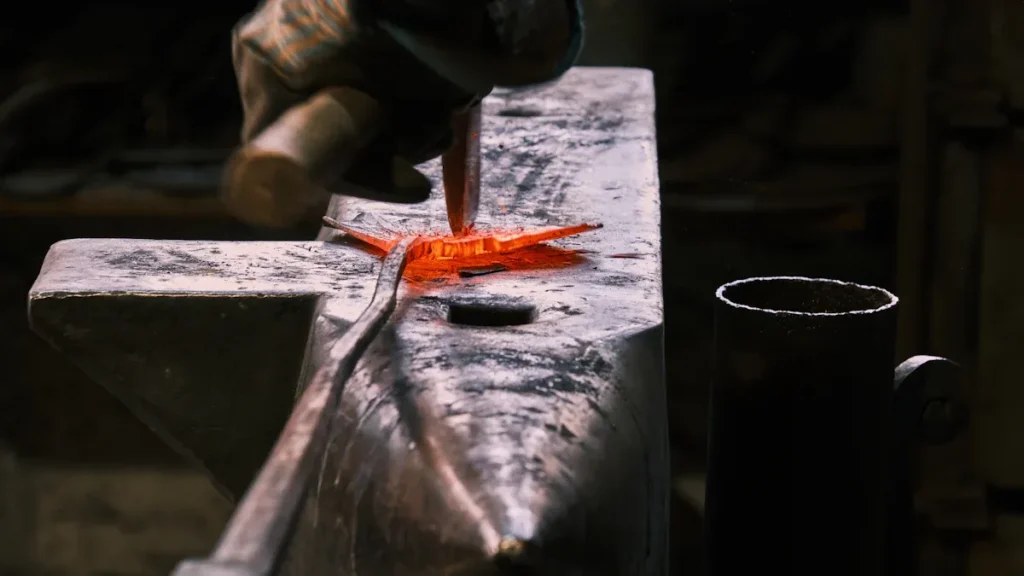
Cold Work Tool Steel is special because it has different alloying elements. These elements make the steel strong and tough. The main alloying elements are:
- Carbon (C): Makes the steel stronger and harder.
- Manganese (Mn): Helps remove oxygen and adds strength.
- Silicon (Si): Makes forging easier and helps harden the steel.
- Chromium (Cr): Stops rust and helps the steel stay strong in heat.
- Molybdenum (Mo): Makes the steel tougher and keeps grains small.
- Vanadium (V): Helps the steel last longer and keeps grains under control.
All these elements work together. They make the steel hard, tough, and able to resist wear.
Advantages and Uses
Cold Work Tool Steel is very hard and does not wear out fast. This helps tools stay sharp when cutting or stamping. It is tough and keeps its shape under stress. The steel can be hardened all the way through, so it lasts longer. It is also easy to shape, so manufacturers can work with it easily.
| Advantage | Description |
|---|---|
| High hardness | Gets 60-65 HRC after being hardened. |
| Good wear resistance | Lasts a long time even with friction. |
| High compressive strength | Can be used for heavy molds. |
| Toughness and crack resistance | Handles shocks and stays tough. |
Car, plane, building, and electronics companies use Cold Work Tool Steel. They use it for punches, dies, molds, and tools that need to be precise. These companies get tools that last longer, need less fixing, and make better products.
Qilu Cold Work Tool Steel
Qilu makes Cold Work Tool Steel that is hard, tough, and can be used in many ways. Qilu helps car, electronics, and airplane companies. Qilu checks quality with tests like ultrasonic, tensile, and hardness tests. This makes sure every batch is good. Qilu also lets customers choose what they need, from small orders to big ones.
| Aspect | Qilu’s Approach | Industry Standards |
|---|---|---|
| Quality Testing | Careful testing for good performance | Meets all standards |
| Customization | Makes steel to fit each job | Can change production as needed |
| Production Scale | Makes small or big batches | Can meet market needs |
Note: If you pick Qilu, you get Cold Work Tool Steel that is tested, reliable, and can be made to fit your needs.
Hot Work Tool Steel Essentials
Features and Composition
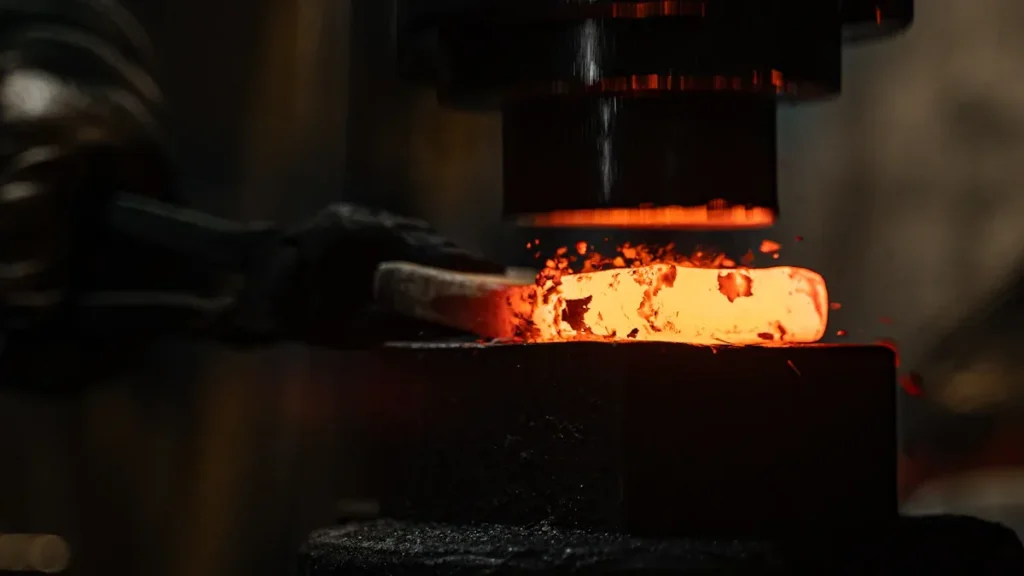
Hot work tool steel has special alloying elements. These elements help it work well in hot places. The main elements are:
- Tungsten
- Chromium
- Carbon
- Vanadium
These elements help the steel stay strong in heat. The steel does not crack or lose its shape. It stays tough when heated and cooled many times. The table below shows how these features help with hard jobs:
| Feature | Explanation |
|---|---|
| High temperature strength | The steel stays strong when it gets hot. |
| Thermal fatigue | It does not get damaged from heating and cooling over and over. |
| Thermal conductivity | The steel spreads heat so it does not crack. |
| Toughness | It can take heat and hits, and stays bendy. |
| Hardness | The steel does not wear out fast and stays tough. |
| Fatigue resistance | It does not break from being used a lot in heat. |
| Shock resistance | The steel is strong when hit hard. |
| Wear resistance | It keeps its shape when used in tough jobs. |
Advantages and Uses
Hot work tool steel has many good points for forging, casting, and stamping. It stays hard and tough even in very hot places. The steel lasts longer and does not need to be changed often. The table below shows the main advantages:
| Advantage | Description |
|---|---|
| Exceptional Heat Resistance | The steel stays hard even when it gets very hot. |
| Enhanced Durability | It does not wear out or bend, so it stays strong. |
| Increased Toughness | The steel can take hits and does not crack. |
| Better Machinability | It is easy to shape into molds and cutting tools. |
| Cost-Effectiveness | The steel lasts long, so you do not need to buy new tools often. |
| Versatility | It works for cars, planes, and big machines. |
| Resistance to Thermal Fatigue | The steel is good for tools that get hot and cold quickly. |
| Improved Performance in High-Pressure | It stays strong even when used in tough jobs. |
Car makers, plane makers, and metal companies use hot work tool steel. They use it because it works well and lasts a long time. These companies say their tools last longer and work better. They also save money because they do not need to fix tools as much.
Qilu Hot Work Tool Steel
Qilu makes hot work tool steel that is strong in heat. It does not wear out fast and stays tough. It also does not get tired from heat. Qilu’s steel is used for casting, forging, stamping, and hot molds. Qilu checks quality very carefully. They offer grades like H13, which is very hard and tough. Customers can pick the grade they need. This helps them get steel that works well for their job.
Side-by-Side Comparison
Temperature Resistance
Temperature resistance is very important when picking tool steel. Cold Work Tool Steel works best in cooler places. Hot work tool steel is better for hot jobs. The table below shows how hot each steel gets when hardened and tempered:
| Tool Steel | Hardening Temp. (°F) | Tempering Temp. (°F) |
|---|---|---|
| O1 (Cold Work) | 1425-1475 | 350-650 |
| H13 (Hot Work) | 1825-1900 | 1000-1200 |
Hot work tool steel can take much more heat. Cold Work Tool Steel can handle heat up to 540°C. This makes it good for blanking and forming dies. Hot work tool steel has special elements like tungsten and molybdenum. These help it work even better in high heat. That is why it is used for pressure die casting, extrusion, and forging.
| Type of Tool Steel | Alloying Elements | Temperature Resistance | Applications |
|---|---|---|---|
| Cold Work Tool Steel | Tungsten, Manganese, Chromium, Molybdenum | Up to 540°C | Blanking and forming dies, gauges, fixtures |
| Hot Work Tool Steel | Tungsten, Molybdenum | Higher than Cold Work | Pressure die casting, extrusion, forging, pipe and glass manufacturing |
Tip: Always check your process temperature before you pick tool steel.
Wear and Toughness
Wear resistance and toughness help tools last longer. Cold Work Tool Steel is very hard and resists wear. This keeps tools sharp and strong. Hot work tool steel is tough and resists wear, even in heat and when hit many times.
The finish on the tool steel matters too. A smooth finish lowers wear and stops galling. It also helps oil cover the tool, which protects it. Both cold work and hot work tool steels do better with a smooth finish. This helps tools work well and last longer.
| Property | Cold Work Tool Steel | Hot Work Tool Steel |
|---|---|---|
| Hardness | High | High |
| Toughness | Good | Excellent (at high temp) |
| Wear Resistance | Superior | Excellent |
| Surface Finish Impact | Extends tool life | Improves durability |
Note: A smoother finish means tools last longer and need fewer changes.
Cost and Availability
Cost and how easy it is to get tool steel are important. The tool steel market is growing fast. In 2025, it was worth 11.4 billion. Experts think it will grow 9.09% each year. By 2033, it could reach 22.87 billion. This is because more factories and tech companies need tool steel.
| Segment | Market Value (2025) | Projected Growth Rate (2026-2033) | Estimated Value (2033) | Key Drivers |
|---|---|---|---|---|
| Cold Work Tool Steel | N/A | 9.09% | 22.87 billion | Rising demand across industrial and technology sectors |
| Hot Work Tool Steel | N/A | N/A | N/A | Growth in automotive and aerospace industries |
Buyers must think about cost and how well the steel works. Cold work tool steels are picked for hardness and wear resistance. Hot work tool steels are chosen for toughness and heat resistance. Price and how easy it is to buy the steel matter too. Sometimes, people try different steels to find the best one for their job.
- What you use the tool steel for matters most.
- How much money you have is important.
- If steel is hard to find, choices are limited.
- Different grades cost different amounts and fit different jobs.
Application Suitability
Picking the right tool steel means looking at many things. In 2026, makers check temperature, load, how much they make, and what material they use. They also look at cost and how easy the steel is to shape.
- If your job gets hotter than 300°C, use hot work tool steel.
- For jobs with lots of hits, pick toughness. For steady jobs, pick hardness.
- If you make a lot of parts, you need steel that resists wear and heat.
- Check if your material is hard, strong, or reacts with steel.
- Think about both the first price and how much it costs over time.
- Some steels with lots of alloy are harder to cut and heat-treat.
Tip: Make sure the tool steel matches your job for the best results.
Choosing Tool Steel in 2026
Assessing Your Needs
Manufacturers first look at their workplace. They check things like temperature and pressure. They also think about what kind of work they do. If a company shapes metal at room temperature, Cold Work Tool Steel is a good choice. Hot work tool steel works better for jobs with lots of heat. Companies also count how many parts they make each day. If they make a lot, they need steel that lasts and does not wear out fast.
Tip: Write down what you need before you pick tool steel. This helps you find the right steel for your job.
Matching Properties to Applications
Each tool steel has its own strong points. Cold Work Tool Steel is very hard and does not wear out quickly. It is best for cutting, stamping, and shaping at low temperatures. Hot work tool steel is tough and can handle heat. It is good for casting, forging, and extrusion. The table below shows which steel fits each job:
| Application | Cold Work Tool Steel | Hot Work Tool Steel |
|---|---|---|
| Cutting/Stamping | ✅ | ❌ |
| Forging/Casting | ❌ | ✅ |
| High-Volume Runs | ✅ | ✅ |
| High-Temperature | ❌ | ✅ |
Cost, Longevity, and Trends
Picking tool steel depends on price and how long it lasts. Companies want steel that saves money over time. Hot work tool steel costs more but lasts longer in hot places. Cold Work Tool Steel costs less and works well at room temperature. In 2026, new ways to make steel help it get tougher and last longer. Machines and robots help companies use special tool steels. The market grows because factories need strong materials for hard jobs.
Note: Companies should look for new steel types and ways to make them. These changes help tools last longer and cost less.
Cold work tool steel is very hard and resists wearing out. Hot work tool steel is tough and can handle heat well. Manufacturers need to pick the right steel for their job in 2026. They should talk to suppliers or check what tools they need. Good choices help companies work faster and spend less money.
FAQ
What is the main difference between cold work and hot work tool steel?
Cold Work Tool Steel:Works at low temperatures
Hot Work Tool Steel:Handles high heat
Which industries use cold work and hot work tool steel most?
Car makers and electronics companies use cold work tool steel.
Metal casting and forging industries use hot work tool steel.
How does temperature affect tool steel choice?
Cold work tool steel fits jobs below 100°C.
Hot work tool steel suits tasks above 350°C.