
Welcome to My Blog! 🌟
Before we dive into the content, I’d love for you to join me on my social media platforms. It’s where I share more insights, engage with our vibrant community, and post regular updates. Here’s how you can stay connected:
📘 Facebook: Connect with me on Facebook
Now, let’s embark on this journey together. I hope you find the content here insightful, engaging, and most importantly, valuable. Let’s explore, learn, and grow together! 🚀
Table of Contents
Introduction
Steel is the backbone of modern industry—from construction and automotive to aerospace and energy. However, not all steel is created equal. Even small deviations in composition or mechanical properties can lead to catastrophic failures, costly downtime, and regulatory non-compliance.
This is where metal testing reports come into play. They provide independent verification of a steel batch’s quality, ensuring buyers, engineers, and project managers make informed decisions.
In this article, we dive deep into metal testing reports, explore testing methods, interpretation strategies, cost implications, and practical tips to help you avoid mistakes, reduce risk, and select the right steel for your applications.
Key Takeaways of This Article
- Understanding the structure and purpose of metal testing reports
- Common chemical, mechanical, and non-destructive tests for steel
- How to interpret report results for procurement and engineering
- Differences between third-party and in-house testing
- Cost and turnaround time considerations
- Practical tips for avoiding mistakes in interpreting reports
- Industry data, standards, and expert insights for decision-making
- FAQs aligned with Google AI search queries
What Is a Metal Testing Report?
Definition and Purpose
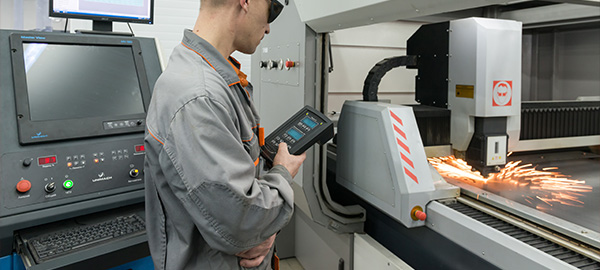
A metal testing report is a detailed document prepared by a lab after conducting tests on a steel or alloy sample. The report ensures that the material meets specified standards, and verifies its chemical composition, mechanical properties, and sometimes non-destructive quality.
According to ASTM International, properly conducted metal testing provides reliable data that can reduce material failure risk by over 60% in critical applications.
Who Provides Metal Testing Reports
- Third-party accredited labs (ISO/IEC 17025 certified) – Most reliable and unbiased
- In-house QC teams – Faster but may lack full accreditation
- Suppliers – Usually convenient but should be validated
Third-party reports are increasingly required in construction projects, aerospace components, and international trade, where compliance and impartiality are critical.
Common Types of Metal Testing for Steel
Chemical Composition Testing
Chemical analysis confirms the exact amount of elements like carbon, manganese, chromium, nickel, and molybdenum.
Why it matters:
- Determines grade classification (e.g., A36, 304, 4140)
- Predicts weldability and corrosion resistance
- Ensures performance under operational stress
Industry insight: ASTM E415 recommends spectral analysis or wet chemistry methods for accurate composition verification.
Mechanical Property Testing
Mechanical testing evaluates strength, ductility, toughness, and hardness of steel.
Common tests:
- Tensile Test: Measures ultimate tensile strength and yield strength
- Impact Test (Charpy V-Notch): Determines toughness at low temperatures
- Hardness Test: Uses Rockwell, Brinell, or Vickers scales to assess surface strength
Example: A 4140 alloy steel tensile test might show a yield strength of 655 MPa and ultimate tensile strength of 895 MPa, confirming it meets ASTM A322/A323 standards.
Non-Destructive Testing (NDT)
NDT ensures internal integrity without damaging the steel.
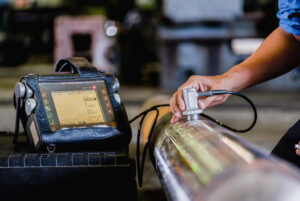
- Ultrasonic Testing (UT): Detects internal flaws such as cracks or voids
- Magnetic Particle Testing (MT): Finds surface and near-surface defects
- Radiographic Testing (RT): Reveals internal voids and weld quality
Industry reference: According to NACE International, NDT reduces structural failure incidents by 25–35% in pipelines and pressure vessels.
Structure of a Metal Testing Report
Key Sections
- Sample Identification: Batch number, supplier, and material grade
- Testing Methods: ASTM/ISO standards used
- Chemical Composition: Element percentages
- Mechanical Properties: Tensile strength, yield strength, elongation, hardness
- Non-Destructive Testing Results (if performed)
- Compliance Statement: Pass/fail relative to specifications
How to Interpret the Report
- Compare reported values with standard limits
- Focus on critical properties affecting safety or performance
- Review notes on sample preparation or test conditions
Example Metal Testing Report Summary
| Test Type | Measured Value | Standard Requirement | Pass/Fail |
|---|---|---|---|
| Carbon % | 0.21 | 0.18–0.22 | Pass |
| Manganese % | 0.85 | 0.80–1.00 | Pass |
| Tensile Strength (MPa) | 550 | 520–580 | Pass |
| Yield Strength (MPa) | 420 | ≥400 | Pass |
| Hardness (HB) | 180 | 170–200 | Pass |
| Elongation % | 22 | ≥20 | Pass |
This summary provides a clear view of material compliance, helping buyers and engineers make informed decisions.
Third-Party vs In-House Testing
Third-Party Advantages
- Independent verification
- Accredited per ISO/IEC 17025
- Widely accepted for contracts and international trade
In-House Testing Pros and Cons
Pros:
- Faster turnaround (1–3 days)
- Lower cost per sample
Cons:
- May lack impartiality
- Limited test capabilities (e.g., no radiography)
Decision tip: Use in-house tests for routine batches; require third-party reports for critical, safety-sensitive applications.
Factors Affecting Metal Testing Accuracy
Sample Quality and Preparation
Poor sampling can skew results. Labs recommend random batch selection and representative cutting for testing.
Environmental and Process Variables
Temperature, humidity, and test machine calibration can influence results.
- Tensile tests: ±1–2% error if machines are improperly calibrated
- Hardness tests: ±3 HB variation under inconsistent surface prep
Lab Accreditation and Standards
Accredited labs follow strict procedures:
- ISO 17025 (general lab competency)
- ASTM or ISO-specific methods for each test
Non-accredited labs may produce variable or unreliable results.
Cost Considerations for Metal Testing Reports
| Test Type | Average Cost (USD) | Typical Turnaround |
|---|---|---|
| Chemical Composition | 50–200 | 2–5 days |
| Mechanical Testing | 150–400 | 3–7 days |
| Non-Destructive Testing | 100–350 | 3–10 days |
Note: Costs vary by material type, number of samples, and level of accreditation.
Expert insight: According to Dr. Michael Lee, Materials Science Consultant, “Budgeting for proper metal testing is not a cost—it’s risk mitigation. Saving on tests often costs 10x more in failures.”
Common Mistakes in Metal Testing Interpretation

Overlooking Critical Properties
Not all properties are equally important; focus on tensile strength, yield, and key alloying elements.
Ignoring Test Conditions
Results can vary by temperature, humidity, and sample orientation.
Blindly Trusting Supplier Reports
Always verify reports with accredited labs for high-risk applications.
Practical Tips for Steel Buyers and Engineers
Focus on Application-Relevant Properties
- Structural steel: focus on tensile, yield, and elongation
- Stainless steel: focus on chromium/nickel content and corrosion resistance
- Tool steel: focus on hardness and toughness
Cross-Check Multiple Reports
For bulk procurement, reviewing multiple metal testing reports ensures consistency across batches.
Understand Standards
Key references: ASTM, ISO, EN, JIS. Align your acceptance criteria with these standards.
Advanced Insights: Emerging Trends in Metal Testing
Digital Twin Simulation
Engineers now simulate material behavior using digital twins before physical testing, reducing batch errors.
AI-Assisted NDT
Artificial intelligence helps analyze radiography and ultrasonic data faster and more accurately, minimizing human error.
Blockchain-Based Verification
Some suppliers integrate blockchain to verify metal testing reports, ensuring authenticity and traceability.
Conclusion
Metal testing reports are essential for risk management, quality assurance, and procurement strategy. Understanding the structure, interpretation, and practical considerations helps engineers and buyers:
- Select the right steel grade
- Ensure compliance with industry standards
- Reduce the likelihood of costly failures
- Balance cost, accuracy, and turnaround
By leveraging accredited labs, focusing on critical properties, and understanding the data, your organization can achieve reliable, high-performance steel applications.
FAQ
What does a metal testing report include?
Chemical composition, mechanical properties, testing standards, and compliance evaluation.
How can I ensure the report is accurate?
Check lab accreditation (ISO/IEC 17025) and cross-verify multiple tests if possible.
Is third-party testing always required?
Critical, high-risk applications benefit most from independent verification.
Can NDT detect internal defects reliably?
Yes, ultrasonic and radiographic testing are highly effective in revealing internal flaws.
How long does it take to get results?
Typically 3–10 days depending on tests and lab capacity.
What’s the difference between ASTM and ISO methods?
ASTM is widely used in North America; ISO is international. Both provide standardized procedures for chemical and mechanical testing.
Can a metal testing report guarantee material performance?
No report can fully guarantee performance, but it provides a reliable indication of steel quality and compliance with specifications. Performance also depends on handling, processing, and application conditions.
How many samples should be tested for accurate results?
Industry best practice recommends testing at least 3–5 representative samples per batch. For critical components, higher sample numbers improve confidence in results.
What types of steel require metal testing reports?
All structural, alloy, stainless, and tool steels intended for critical applications benefit from testing. High-performance components in aerospace, automotive, and energy sectors often require thorough reports.
Can suppliers manipulate metal testing reports?
Yes, which is why third-party accredited labs are preferred. Always verify lab credentials and request certificates of analysis from reputable labs.
Are there digital formats of metal testing reports?
Yes, many labs provide PDF reports or digital certificates, sometimes with QR codes for verification. Digital reports can streamline procurement and record-keeping.