
Welcome to My Blog! 🌟
Before we dive into the content, I’d love for you to join me on my social media platforms. It’s where I share more insights, engage with our vibrant community, and post regular updates. Here’s how you can stay connected:
📘 Facebook: Connect with me on Facebook
Now, let’s embark on this journey together. I hope you find the content here insightful, engaging, and most importantly, valuable. Let’s explore, learn, and grow together! 🚀
Table of Contents
Steel plays a critical role in knife-making, industrial tools, and precision applications. Among high-carbon steels, 440C and D2 steel are two popular choices. Understanding their differences, properties, and applications can help you make the best material selection for your projects.
Introduction to 440C vs D2 Steel
Why Comparing 440C and D2 Matters
Comparing 440C vs D2 steel allows manufacturers, knife makers, and engineers to select the right steel for durability, corrosion resistance, and edge retention. Each steel has strengths suited to specific tasks.
Key Factors to Consider
The choice depends on hardness, wear resistance, corrosion resistance, machinability, and cost. Understanding these factors ensures optimal performance in intended applications.
Understanding 440C Steel
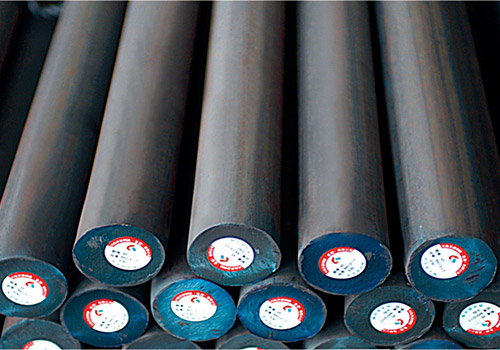
Definition of 440C Steel
440C is a high-carbon stainless steel widely recognized for its combination of corrosion resistance and edge retention. It is a popular choice in knife-making, precision bearings, and small mechanical components where both durability and aesthetic quality are important. The stainless property of 440C makes it suitable for wet or humid environments, including kitchen knives and outdoor tools, without rapid rusting.
Chemical Composition
440C steel contains approximately 1.0% carbon and 17% chromium, providing a balance between hardness and corrosion resistance. Carbon contributes to hardness and edge retention, while chromium enhances stainless characteristics. Small additions of molybdenum improve wear resistance and strength under repeated use, making 440C suitable for cutting tools and bearings that undergo regular stress. Its composition allows for consistent hardness after heat treatment and makes it relatively easy to polish to a mirror finish, which is valued in both functional and decorative applications.
Advantages of 440C Steel
- Balanced toughness and corrosion resistance: 440C is less brittle than harder steels like D2, providing resilience during cutting and impact.
- Polishability: Its chemical composition allows for a smooth, reflective finish, making it suitable for decorative knives and precision instruments.
- Edge retention: Offers sharp edges that hold well for everyday kitchen or light outdoor use.
- Versatility in applications: Can be used in knives, bearings, and small mechanical tools where corrosion resistance and moderate hardness are important.
Limitations of 440C Steel
- Moderate wear resistance: While it retains an edge, heavy-duty industrial use can dull 440C faster than D2.
- Not ideal for extreme hardness applications: 440C cannot match the wear resistance of D2 steel, especially for high-stress cutting or shear tools.
- Frequent maintenance under heavy use: For knives or tools used intensively, periodic sharpening is necessary to maintain peak performance.
Understanding D2 Steel
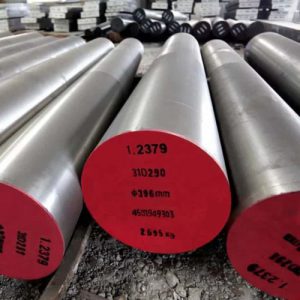
Definition of D2 Steel
D2 steel is a high-carbon, high-chromium cold-work tool steel engineered for extreme wear resistance and hardness. Unlike 440C, D2 is only semi-stainless, meaning it is more prone to corrosion and requires regular maintenance. Its hardness and edge-holding capability make it ideal for industrial knives, stamping dies, and heavy-duty outdoor knives, where longevity and durability are critical.
Chemical Composition
D2 contains approximately 1.5% carbon and 12% chromium, with added vanadium and molybdenum to enhance wear resistance, toughness, and hardness. The higher carbon content increases hardness, while vanadium and molybdenum form stable carbides that significantly improve wear resistance. This composition allows D2 steel to maintain sharp edges under repeated, high-stress use, making it preferred for industrial cutting tools and tactical knives.
Advantages of D2 Steel
- Extremely high hardness: Achieves higher HRC (60–62) than 440C, providing long-lasting edge retention even in heavy-duty applications.
- Superior wear resistance: Excellent for industrial shears, stamping dies, and knives that undergo repetitive cutting.
- Versatile for outdoor and tactical use: Maintains performance under demanding conditions such as rough terrain, cutting fibrous materials, or heavy use.
- Dimensional stability: D2 can maintain its shape and hardness after heat treatment, ideal for precision tools and dies.
Limitations of D2 Steel
- Susceptible to corrosion: Being semi-stainless, D2 requires proper drying and oiling to prevent rust, especially in humid environments.
- Machining and finishing difficulty: High hardness makes it more difficult to machine, polish, or grind compared to 440C.
- Brittleness: While hard, D2 is less tough than 440C and can chip if subjected to impact or bending stress.
Mechanical and Physical Properties Comparison
Hardness and Wear Resistance
D2 steel achieves higher hardness (60-62 HRC) compared to 440C (58-60 HRC), making it superior for high-wear applications.
Toughness and Ductility
440C steel is tougher and less brittle, ideal for knives subjected to impact or bending. D2 is harder but can chip if misused.
Corrosion Resistance
440C steel is highly resistant to rust and ideal for wet environments. D2 steel requires drying and oiling to prevent corrosion.
Parameterized Comparison Table
| Property | 440C Steel | D2 Steel | Best For |
|---|---|---|---|
| Carbon Content | ~1.0% | ~1.5% | Hardness vs toughness |
| Chromium Content | ~17% | ~12% | Corrosion resistance vs wear resistance |
| Hardness (HRC) | 58–60 | 60–62 | Edge retention comparison |
| Wear Resistance | Moderate | High | Heavy-duty knives & tools |
| Corrosion Resistance | High | Moderate | Kitchen & wet environments |
| Machinability | Easy | Moderate to Hard | Ease of shaping/polishing |
| Typical Uses | Kitchen knives, bearings | Industrial knives, tactical knives | Application suitability |
This table provides a clear, parameterized comparison, allowing users to quickly identify which steel suits their specific needs.
Applications of 440C vs D2 Steel
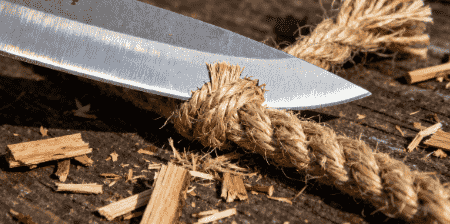
440C Steel in Knives
440C steel is ideal for kitchen knives, folding knives, and precision tools. Its corrosion resistance ensures durability in wet environments, while sharp edge retention facilitates everyday cutting tasks.
D2 Steel in Industrial and Tactical Tools
D2 steel excels in high-wear environments such as shear blades, stamping dies, and outdoor knives. Its hardness ensures long-lasting performance even under heavy-duty use.
Real-Life Examples
- 440C Steel: Wüsthof kitchen knives utilize 440C for sharpness and corrosion resistance in daily culinary use.
- D2 Steel: Benchmade tactical knives leverage D2 steel for edge retention and wear resistance during outdoor and industrial applications.
Choosing the Right Steel
Selecting between 440C vs D2 steel depends on application, maintenance habits, and budget. 440C is preferred for wet environments or decorative knives, while D2 excels in wear-intensive tasks.
Heat Treatment and Machinability
Heat Treatment Overview
Both steels undergo quenching and tempering to reach optimal hardness. D2 can achieve slightly higher HRC than 440C, contributing to superior wear resistance.
Machinability and Polishing
440C steel is easier to machine and polish, making it popular for decorative knives and small precision tools. D2 steel requires specialized tools and techniques for shaping and finishing.
Maintenance and Care
440C Steel Care
Daily cleaning and occasional oiling are usually sufficient. Its stainless properties reduce the risk of rust, particularly in kitchen or humid environments.
D2 Steel Care
D2 steel requires careful maintenance, including drying and light oiling, to prevent corrosion. Proper care ensures maximum wear resistance and longevity.
Cost and Selection Tips
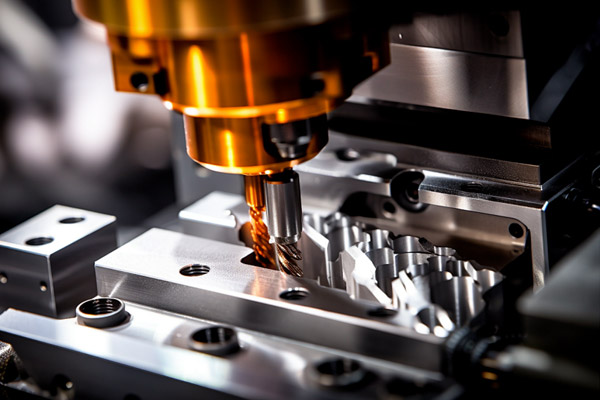
Cost Considerations
440C steel offers a balanced price with good corrosion resistance, making it ideal for kitchen knives and decorative tools. D2 steel is slightly more expensive due to higher hardness and wear resistance.
Selection Guidance
- Kitchen or wet-use knives → 440C
- Outdoor, tactical, or industrial knives → D2
- Consider budget, maintenance capability, and intended use when making your decision
Conclusion
Both 440C and D2 steel offer unique advantages:
- 440C Steel: Best for kitchen knives, precision tools, and applications requiring corrosion resistance and moderate hardness.
- D2 Steel: Ideal for industrial knives, tactical blades, and high-wear applications needing maximum hardness.
FAQ
Which steel is harder, 440C or D2?
D2 steel is harder, providing better edge retention and wear resistance, while 440C is slightly softer but more corrosion-resistant.
Can D2 steel be used for kitchen knives?
Yes, but it requires careful maintenance and oiling since it is semi-stainless.
Is 440C steel fully stainless?
Yes, 440C is high-carbon stainless steel, making it ideal for wet or humid environments.
How does heat treatment affect 440C vs D2 steel?
Heat treatment increases hardness, wear resistance, and edge retention. D2 achieves slightly higher hardness than 440C.
Which steel lasts longer for heavy-duty use?
For wear resistance and edge retention, D2 lasts longer. In wet environments, 440C may outperform if maintenance is neglected.
Need expert advice on choosing the right steel for your knife or tool? Contact our engineers today for personalized guidance and selection support.